It started with a question I half expected to be dismissed: could we build an Aspen format in which leadership isn’t only discussed, but actually tested?
I first talked it through with Andreea Bulisache. By September it had a name, AI Under Pressure, and a shape: an executive war room that placed around twenty senior leaders inside a simulated AI crisis and asked them to make consequential decisions with incomplete information, competing priorities and no perfect answer on offer.
On the day, I wasn’t the one running it.
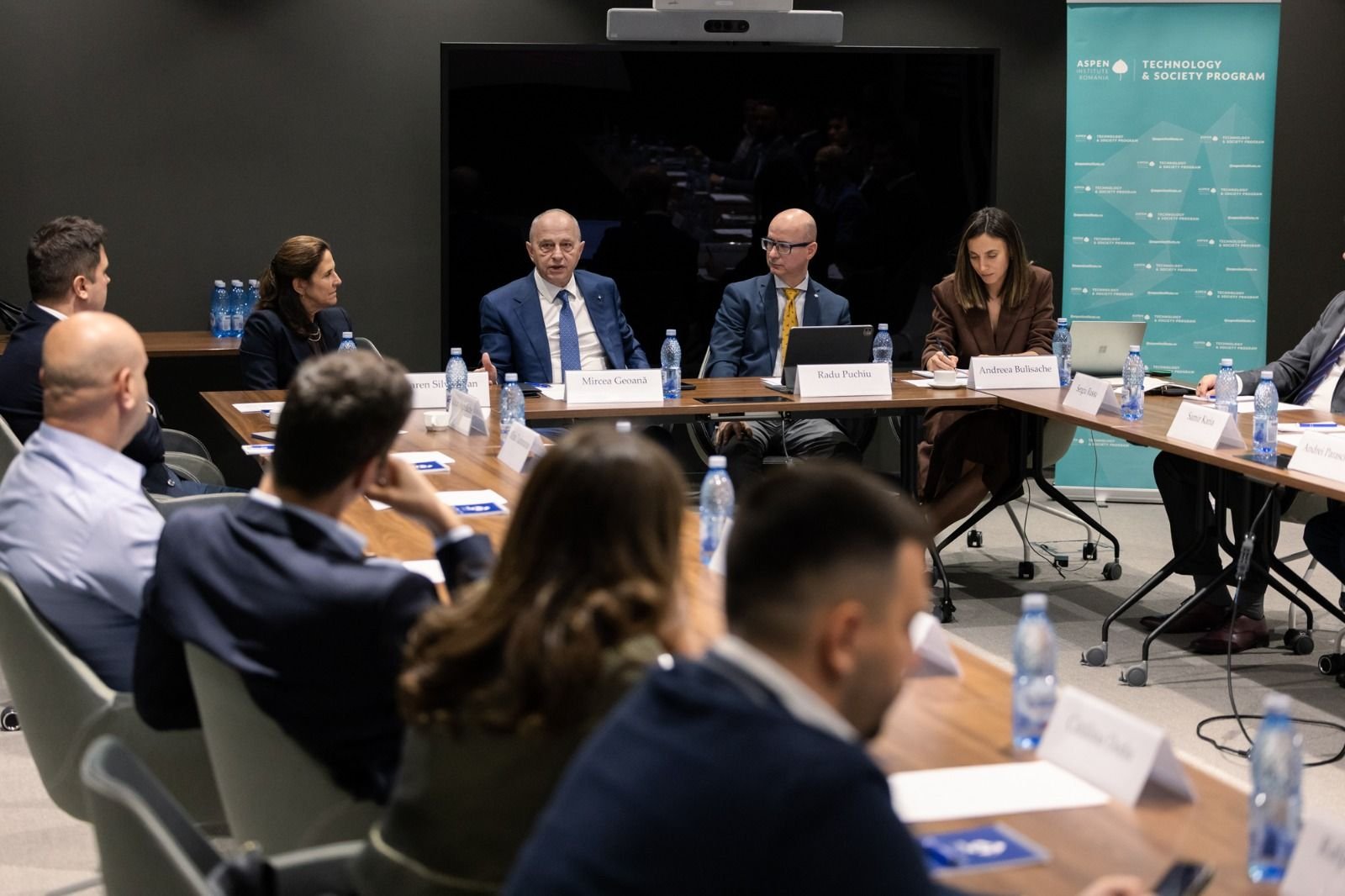
Hosting, not moderating
Usually I’m the person in the chair, holding the thread. This time Andreea and Karen Silverman led the exercise, and it was theirs to lead. They had built the scenario, decided how much uncertainty to release and when, and knew where the pressure points were. My part was the rest of the work: opening the room, setting a tone in which people would enter the exercise openly rather than defensively, keeping the frame of the day intact, and then staying out of the way.
That last part is harder than it sounds. Every moderator’s instinct says step in, sharpen the question, summarise. Here, stepping in would have broken the very thing we were trying to create: a room where leaders feel the weight of deciding, not the comfort of being guided.
What I noticed from the side
It was a real pleasure to watch. You see different things from the side of a room than from its centre. I could see the moment a table stopped debating the scenario and started working out who actually owned the decision. I could see how easily “we need more information” turns into a polite way of not deciding. And I could see Andreea and Karen hold a difficult balance: enough direction that nobody felt lost, enough uncertainty that the pressure stayed real.
Why it belongs at Aspen
The exercise didn’t feel like a departure. It felt like a piece that had been missing.
Our Socratic seminars ask what is right, what matters and what kind of future we want. Our closed roundtables give people a place to say what they actually think, among peers, without performing. A war room adds what both leave untested: the capacity to decide when the pressure is real. Put together, the three start to look less like separate events and more like one approach. Reflect, think, then decide under pressure. Each format makes the others count for more.
I hope AI Under Pressure doesn’t stay a one-off. If it becomes a regular part of how Aspen works, whether or not anyone remembers where the first question came from, that is the outcome I’d want.
What I take from it
Facilitation is usually described by what happens in the room: questions, pacing, synthesis. This reminded me that some of it happens long before anyone walks in. You help an idea find the right people, you help build the frame around it, and then you trust them with the room.
It turned out to be the most natural part of the day. Sometimes the best seat for a facilitator is at the side.